

Most people don’t lose control of their finances because of one massive purchase.
It’s usually the small stuff.
The subscriptions that renew automatically. The extra food delivery fees. The “quick” online orders. The forgotten memberships quietly charging your card month after month. Individually, these expenses feel harmless. Together? They can quietly drain hundreds, sometimes thousands, of dollars from your savings every year.
Related Article: RETIREMENT Downsizing Guide: MOVING INTO A SMALLER HOME
We see this often when talking with customers throughout Sarasota, Bradenton, and Lakewood Ranch. People work hard, earn decent incomes, and still feel frustrated that their savings never seem to grow.
In many cases, the issue isn’t income. It’s leakage.
The good news? Small adjustments can create surprisingly powerful financial momentum over time.
Why Small Monthly Expenses Matter More Than You Think
Recurring expenses are dangerous because they become invisible.
Once a charge blends into your monthly routine, your brain stops questioning it. And because many of these purchases feel relatively inexpensive, they rarely trigger concern in the moment.
But even modest recurring costs can compound dramatically over time.
Redirecting just a few unnecessary expenses toward savings each month can create meaningful long-term growth.
Let’s look at seven of the most common budget leaks quietly damaging household savings.
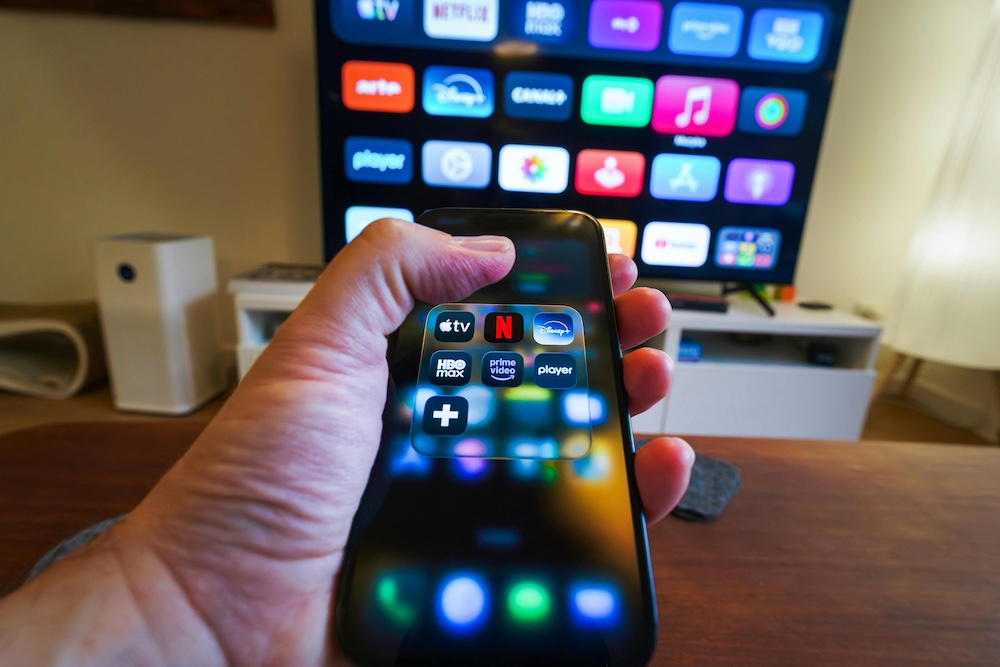
1. Streaming Services You Barely Use
Entertainment subscriptions have exploded over the last several years.
What starts as one streaming platform often becomes four or five:
- TV streaming
- Music services
- Sports packages
- Premium video apps
- Extra cloud storage
- Family add-ons
Individually, many cost less than $20 per month. Combined, households can easily spend over $100 monthly without realizing it.
Quick Savings Fix
Review your subscriptions every 90 days.
Ask:
- Which services do we actually use weekly?
- Which ones overlap?
- Could we rotate services seasonally?
Many people discover they’re paying for platforms they haven’t opened in months.
The Federal Trade Commission’s subscription guidance also offers helpful tips for managing recurring charges and auto-renewals.
2. Food Delivery Fees and Convenience Spending
Convenience is expensive.
Between delivery fees, service charges, menu markups, and tipping, a single food delivery order can cost significantly more than dining in or picking up food yourself.
And because delivery apps make ordering incredibly easy, small purchases happen more frequently than people realize.
The Real Impact
Ordering delivery twice a week could easily add:
- Delivery fees
- Platform charges
- Higher menu pricing
- Tips
Over the course of a year, that difference can total thousands of dollars.
Quick Savings Fix
Try setting simple boundaries:
- Delivery only on weekends
- Pick-up instead of delivery
- One “treat meal” per week
- Meal planning for busy nights
The goal isn’t eliminating enjoyment. It’s becoming intentional.
3. Unused Gym Memberships and Forgotten Subscriptions
This is one of the classic budget leaks.
Many people sign up for:
- Gyms
- Fitness apps
- Meditation platforms
- Online courses
- Subscription boxes
- Digital tools
Then life gets busy.
The charges continue long after the usage stops.
Quick Savings Fix
Check your last 90 days of bank or credit card transactions.
Highlight:
- Any recurring charge under $50
- Any subscription you forgot existed
- Any service you haven’t used recently
You may be surprised by how much you uncover.
4. Buy Now, Pay Later Purchases
Buy Now, Pay Later services can make spending feel smaller than it actually is.
Breaking purchases into four payments sounds manageable. But when multiple installment plans overlap, monthly cash flow can tighten quickly.
The Consumer Financial Protection Bureau has warned consumers about the risks of overusing these services, especially when several purchases stack together.
Why It Hurts Savings
BNPL spending often:
- Encourages impulse purchases
- Creates fragmented budgeting
- Reduces monthly cash flexibility
- Delays financial reality
Quick Savings Fix
Before using installment payments, ask:
- Would I still buy this if I had to pay in full today?
- Is this a need or a convenience purchase?
- Will this reduce my ability to save this month?
Simple questions create healthier spending habits.
5. Rising Insurance Premiums You Haven’t Reviewed
Insurance costs rarely stay flat.
Auto insurance, homeowners insurance, and umbrella policies can gradually increase year after year without many people noticing.
This is especially relevant in Florida, where insurance markets continue evolving.
Quick Savings Fix
Review insurance policies annually.
Compare:
- Coverage levels
- Deductibles
- Bundling opportunities
- Loyalty discounts
- Driving or mileage adjustments
Sometimes even a quick policy review can uncover meaningful monthly savings.
6. Daily Convenience Purchases
Coffee runs. Gas station snacks. Quick online purchases. Convenience store stops.
None of these expenses are “bad.” But frequency matters.
A few small daily purchases can quietly become a substantial monthly spending category.
The Bigger Problem
These purchases often happen automatically, without intentional budgeting.
And because they’re emotionally tied to routine and comfort, they rarely feel significant in the moment.
Quick Savings Fix
Instead of eliminating every small luxury, try creating a realistic “fun spending” category each month.
That approach tends to feel far more sustainable than extreme budgeting.
7. Bank Fees and Low-Interest Accounts
This one gets overlooked constantly.
Monthly maintenance fees, ATM charges, overdraft fees, and low-yield savings accounts can slowly chip away at financial progress.
At the same time, money sitting in accounts with minimal interest may not be working as efficiently as it could.
Quick Savings Fix
Review:
- Monthly account fees
- ATM usage habits
- Overdraft frequency
- Savings interest rates
- Automatic transfer options
The FDIC consumer resources provide excellent educational information about banking and savings habits.
Sometimes the issue isn’t how much you’re saving, it’s where your money is sitting.
How to Perform a “Monthly Leak Audit”
One of the best financial habits is something we call a monthly leak audit.
It’s simple:
- Review the last 30 days of transactions
- Highlight recurring expenses
- Identify emotional or impulse spending
- Calculate total convenience spending
- Decide which expenses still provide real value
This process isn’t about guilt.
It’s about awareness.
Most people don’t need to completely overhaul their lifestyle to improve savings. Small course corrections often make the biggest difference because they’re easier to maintain long term.
Building Savings Momentum One Decision at a Time
Strong savings habits usually aren’t built through massive sacrifices.
They’re built through consistency.
A canceled subscription here. Fewer delivery orders there. Smarter account management. More intentional spending. Over time, those decisions compound in powerful ways.
At Liberty Savings Bank, we believe good financial habits grow stronger when people have trusted local support and practical guidance, not judgment. Whether you’re trying to build an emergency fund, simplify your budget, or make your money work harder, small steps truly matter.
And sometimes, the path to bigger savings starts by paying attention to the little things hiding in plain sight.