

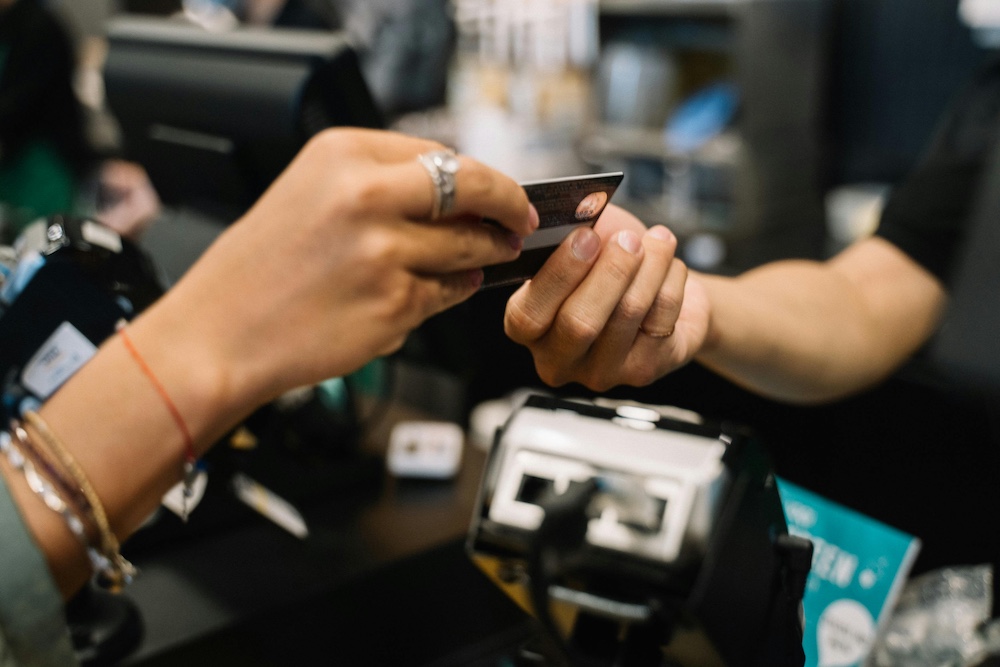
You’re checking out at a restaurant, auto repair shop, or local boutique when you notice something new on the receipt: a “credit card surcharge” fee. Maybe it’s 3%. Maybe it’s labeled as a “non-cash adjustment.” Either way, your total just got a little higher.
Related Article: RETIREMENT Downsizing Guide: MOVING INTO A SMALLER HOME
For many consumers, these fees seem to be appearing everywhere lately. And naturally, people have questions. Are businesses actually allowed to charge extra for using a credit card? Is it legal in Florida? And perhaps most importantly — how can you avoid paying more than necessary?
The short answer: yes, credit card surcharges are generally legal in Florida under certain rules and disclosure requirements. But there’s more to the story.
As a community bank, we believe consumers deserve clear, honest information about how these fees work and what their options are. Let’s break it down in simple terms.
What Is a Credit Card Surcharge?
A credit card surcharge is an additional fee a business adds when a customer chooses to pay with a credit card. Businesses use these fees to help offset the cost of processing card payments.
When you swipe, tap, or insert a credit card, merchants typically pay processing fees ranging from 2% to 4% per transaction. According to the Visa surcharge rules, businesses that choose to add surcharges must follow strict guidelines regarding disclosure and fee limits.
These costs may seem small individually, but for restaurants, contractors, retailers, and other small businesses operating on thin margins, they can add up quickly.
That’s one reason more businesses across Florida — and across the country — are beginning to pass some of those costs along to consumers.
Are Credit Card Surcharges Legal in Florida?
Yes. Credit card surcharges are generally legal in Florida.
However, businesses must follow certain requirements. Card networks like Visa, Mastercard, and American Express all have rules businesses must comply with when applying surcharges.
For example, businesses typically must:
- Clearly disclose the surcharge before payment
- List the fee separately on the receipt
- Keep the surcharge within allowable limits
- Apply surcharges only to credit cards, not debit cards
The Mastercard surcharge guidelines outline many of these requirements in detail.
This last point is especially important. Under card network rules, businesses generally cannot add surcharges to debit card transactions — even if the debit card is processed “as credit.”
Why Are More Businesses Charging These Fees?
A few years ago, surcharges were relatively uncommon. Today, consumers are seeing them much more often.
There are several reasons why.
Rising Processing Costs
Every time a business accepts a credit card payment, part of that transaction goes toward interchange fees and payment processing costs. As electronic payments continue to dominate consumer spending, these fees can become a major operational expense.
According to the Federal Reserve, card usage continues to grow steadily nationwide, increasing the burden of payment processing costs for merchants.
Inflation and Tight Margins
Florida businesses — especially restaurants, home service companies, and local retailers — have faced rising costs across the board. Labor, insurance, rent, inventory, and utilities have all increased in recent years.
Some businesses absorb credit card fees themselves. Others choose to add surcharges to help maintain profitability without raising prices on every product or service.
Consumers Rarely Carry Cash
As digital payments become the norm, businesses have fewer opportunities to avoid processing costs altogether. In many industries, cash transactions now represent only a small percentage of sales.
Convenience comes with a cost.
What’s the Difference Between a Surcharge and a Cash Discount?
These terms are often confused, but they’re not exactly the same thing.
Credit Card Surcharge
A surcharge adds a fee to the advertised price when paying with a credit card.
Example:
- Purchase price: $100
- Credit card surcharge: 3%
- Total: $103
Cash Discount
A cash discount lowers the price for customers who pay with cash or debit.
Example:
- Advertised price: $103
- Cash payment discount: $3
- Total with cash: $100
Some businesses prefer cash discount programs because they can feel more consumer-friendly. However, both approaches require transparency and proper disclosure.
Can Businesses Charge Extra for Debit Cards?
Generally, no.
Under major card network rules, businesses are typically prohibited from adding surcharges to debit card transactions.
That includes:
- Traditional debit cards
- Debit cards run “as credit”
- Prepaid debit cards
Consumers who want to avoid surcharges may want to consider using debit cards for certain purchases — particularly at businesses that clearly disclose credit card fees.
Of course, it’s always wise to use debit responsibly and monitor your account activity regularly. If you notice suspicious charges, it’s important to report them quickly.
How Much Can Credit Card Surcharges Cost Consumers?
It depends on the purchase amount and the surcharge percentage.
Here’s how it can add up:
|
Purchase Amount |
3% Surcharge |
Total Paid |
|
$25 lunch |
$0.75 |
$25.75 |
|
$100 dinner |
$3.00 |
$103.00 |
|
$500 auto repair |
$15.00 |
$515.00 |
|
$2,000 home project |
$60.00 |
$2,060.00 |
Occasional fees may not seem significant. But over time, repeated surcharges can quietly increase monthly spending — especially for families already managing rising living costs.
How Consumers Can Avoid Credit Card Surcharges
The good news? You often have options.
Use Debit Cards When Appropriate
Since debit card surcharges are generally prohibited, paying with debit may help you avoid extra fees altogether.
Ask Before You Pay
Not all businesses advertise surcharge policies prominently. Before completing a transaction, ask whether additional card fees apply.
A quick question can prevent surprises at checkout.
Watch for Posted Notices
Businesses that apply surcharges are generally expected to disclose them clearly before payment. Look for signs near the register, online checkout page, or payment terminal.
Use Rewards Strategically
Sometimes credit card rewards outweigh the surcharge cost. Other times they don’t.
For example:
- A 1% cashback reward does not offset a 3% surcharge
- A large travel reward bonus might still justify the fee
Consumers should evaluate the math instead of assuming rewards automatically make the surcharge worthwhile.
Should Consumers Be Concerned About Credit Card Surcharges?
Concerned? Maybe not. Aware? Absolutely.
Most businesses implementing surcharges are not trying to mislead customers. Many are simply responding to rising operational costs and evolving payment trends.
Still, transparency matters.
Consumers deserve to know:
- when fees apply
- how much they are
- which payment methods can help avoid them
Clear communication helps maintain trust between businesses and customers — something we value deeply as a community bank.
How Community Banks Help Consumers Navigate Everyday Financial Decisions
Financial decisions today can feel more complicated than they used to. Between rising costs, digital payments, subscription charges, and surprise fees, even small transactions deserve closer attention.
That’s where local financial guidance still matters.
At community banks, we work closely with our neighbors every day to help them:
- understand banking and payment trends
- manage spending more effectively
- choose the right checking solutions
- build healthy financial habits
- feel confident asking questions
Because good banking should feel personal. And clear financial education should never be hard to find.
Final Thoughts
Credit card surcharges are becoming increasingly common across Florida, and consumers are right to want clarity around how they work.
The most important thing is staying informed. Understand your payment options. Watch for disclosures. Ask questions when something seems unclear. Small habits can make a meaningful difference over time.
And remember — financial conversations don’t have to feel intimidating. As your local community bank, we’re here to help you navigate everyday financial decisions with confidence, transparency, and a little neighborly guidance along the way.