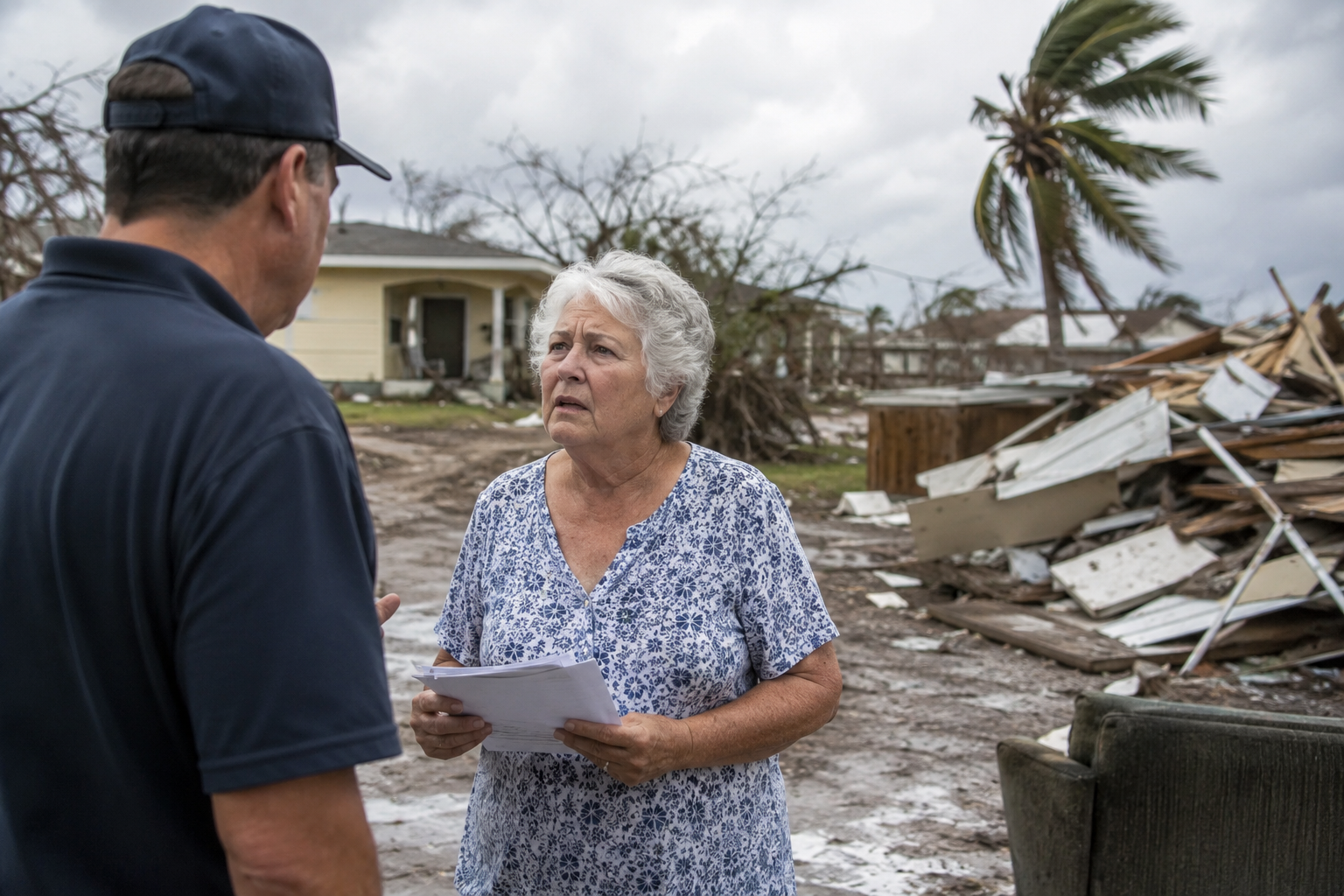
When a hurricane threatens Florida, most of us focus on preparing our homes, protecting our families, and staying informed. Unfortunately, scammers are preparing too.
Related Page: HOW TO SPOT FAKE EZ PASS (WHAT SCAMMERS DON'T WANT YOU TO KNOW)
Natural disasters often create opportunities for criminals to take advantage of people when emotions are high, information is changing quickly, and many families are trying to recover. Whether it's a fake charity, a fraudulent contractor, or someone pretending to represent a government agency, these scams can cost victims thousands of dollars—and even put their personal information at risk.
Knowing what to look for can help you avoid becoming a victim.
Fake Charities Asking for Donations
After a major storm, many people want to help those affected. Scammers know this and often create fake charities or impersonate legitimate organizations to collect donations.
These fraudulent organizations may have names that closely resemble well-known charities and often reach out through phone calls, emails, text messages, or social media.
Protect yourself by:
- Donating directly through the official website of a trusted charity.
- Researching unfamiliar organizations before giving.
- Being cautious of anyone pressuring you to donate immediately.
If you aren't sure whether a charity is legitimate, take a few extra minutes to verify it before sending money.
Government Impersonation Scams
Following a hurricane, scammers may pretend to represent government agencies such as FEMA or other disaster relief organizations.
They might claim you qualify for emergency assistance but ask for sensitive personal information, payment, or an "application fee" before you can receive help.
Remember:
- Government agencies do not charge you to apply for disaster assistance.
- Be suspicious of unsolicited phone calls, emails, or text messages requesting personal information.
- If you're unsure, contact the agency directly using information from its official website—not a phone number or link provided in the message.
Disaster Recovery Business Scams
Storm damage creates an immediate demand for repairs, cleanup, roofing, and rebuilding. Unfortunately, scammers sometimes advertise businesses that don't exist or promise services they never intend to provide.
You may encounter individuals who:
- Ask for large upfront payments.
- Pressure you to sign contracts immediately.
- Claim they have "extra materials" from another job.
- Offer prices that seem too good to be true.
Before hiring anyone:
- Verify that the business is properly licensed and insured.
- Read online reviews from multiple sources.
- Get written estimates from more than one contractor.
- Avoid paying the full amount before work is completed.
A little research upfront can save significant time, money, and frustration later.
Price Gouging During Emergencies
When supplies become limited, prices often increase. However, excessive price increases for essential goods and services during a declared emergency may violate Florida law.
Items commonly affected include:
- Bottled water
- Fuel
- Generators
- Ice
- Batteries
- Hotel rooms
- Emergency home repairs
If you believe you've encountered price gouging, keep your receipts and documentation and report it to the appropriate state authorities.
Bank and Payment Scams
Scammers also take advantage of uncertainty by sending fake text messages or emails that appear to come from your bank or credit card company.
These messages often claim there's suspicious activity on your account or ask you to verify your debit card or online banking information by clicking a link.
Instead of responding directly:
- Open your banking app yourself.
- Type your bank's website into your browser.
- Call the phone number printed on the back of your debit card if you have questions about your account.
Never provide passwords, verification codes, or online banking credentials through an unsolicited email, text message, or phone call.
Rental and Housing Scams
After severe storms, many families search for temporary housing while repairs are completed.
Scammers sometimes post fake rental listings online, requesting deposits before prospective renters can see the property. Once payment is sent, the listing disappears.
Protect yourself by:
- Viewing the property whenever possible.
- Verifying ownership.
- Avoiding wire transfers or payment methods that offer little buyer protection.
- Being cautious if someone pressures you to pay immediately.
Tips to Protect Yourself Before and After the Storm
While every scam is different, many rely on the same tactics: urgency, fear, and emotional decision-making.
Keep these tips in mind:
- Take your time before sending money or sharing personal information.
- Verify businesses, charities, and government agencies independently.
- Be cautious of unsolicited calls, emails, and text messages.
- Never click links from unexpected messages claiming to be from your bank.
- Get multiple estimates before hiring contractors.
- Keep records of purchases and repairs during recovery.
Stay Vigilant Throughout Hurricane Season
Recovering from a hurricane is stressful enough without worrying about scams.
By staying informed, asking questions, and taking a few extra moments to verify who you're dealing with, you can better protect your finances and your personal information during one of the most challenging times of the year.
At Liberty Savings Bank, we believe protecting your financial well-being goes beyond your bank account. We're committed to helping our neighbors stay informed, make confident financial decisions, and recover safely after the storm has passed.
If you ever receive a suspicious message claiming to be from Liberty Savings Bank or have concerns about the security of your account, contact us directly using the phone number on the back of your debit card or by calling your local financial center.