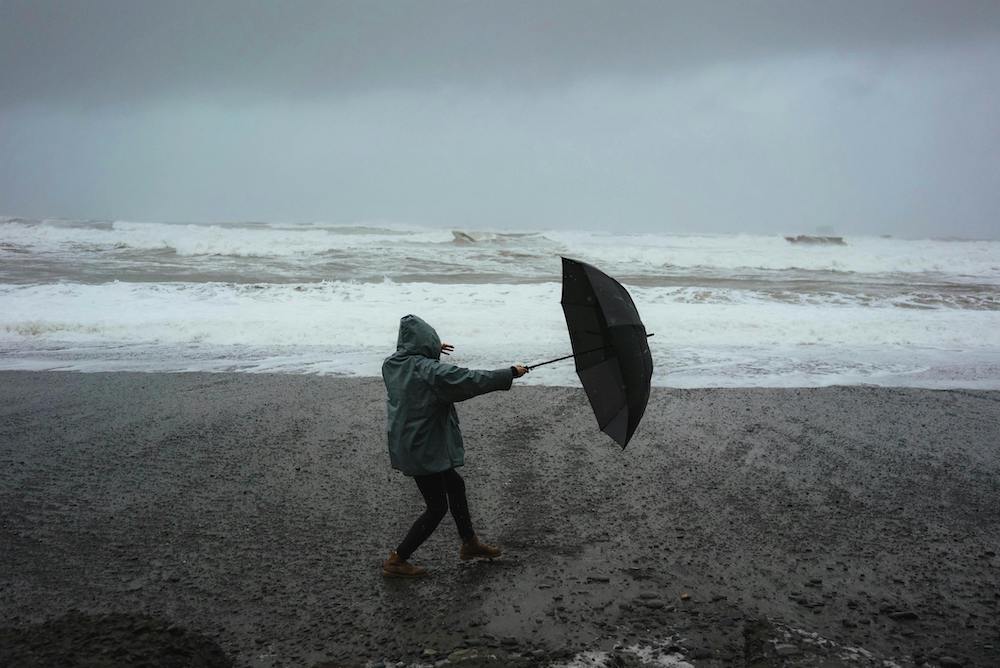
After a storm passes, something else often rolls in right behind it — scammers.
In the days and weeks following a hurricane, fraud spikes dramatically. Disaster-related scams surge every year, targeting homeowners when they’re stressed, displaced, and trying to rebuild quickly. It’s not just frustrating — it can cost thousands.
Related Page: Personal Loans For Hurricane Preparedness
Here along Florida’s Gulf Coast, we’ve seen firsthand how quickly bad actors show up after a storm. And unfortunately, they’re getting more sophisticated.
Let’s walk through how these scams work — and more importantly, how you can protect yourself and your finances.
Why Hurricane Season Attracts Scammers
When communities are recovering, urgency is high and normal safeguards often fall away.
Scammers take advantage of:
- Damaged homes needing immediate repairs
- Insurance confusion and delayed payouts
- FEMA assistance processes that many don’t fully understand
- Emotional stress and time pressure
In short, they rely on you needing help fast — and not having time to double-check.
Common Hurricane Scams to Watch For
1. Contractor Fraud (The Most Common Threat)
After a storm, “storm chasers” often go door-to-door offering quick repairs.
Here’s how the scam typically works:
- They promise immediate service at a “discounted” rate
- Ask for large upfront payments (sometimes cash only)
- Provide little or no written contract
- Disappear before completing the job — or do poor-quality work
Red flags to watch for:
- No license or proof of insurance
- High-pressure tactics (“I can start today, but you need to decide now”)
- Asking you to sign over insurance checks
- Out-of-state license plates or no local references
What to do instead:
- Verify licenses through the official Florida Department of Business & Professional Regulation website: https://www.myfloridalicense.com/
- Get at least 2–3 written estimates
- Never pay the full amount upfront
- Work with local, established contractors whenever possible
2. FEMA & Disaster Assistance Scams
Scammers often pose as FEMA representatives to steal personal and financial information.
These scams can look like:
- Calls or texts asking for your Social Security number or bank info
- Fake “application fees” to receive disaster assistance
- Emails with links to fraudulent FEMA websites
Important reminder:
FEMA does not charge application fees. Ever.
How to protect yourself:
- Apply directly through the official FEMA disaster assistance website: https://www.disasterassistance.gov/
- Do not share personal information with unsolicited callers
- Ask for official ID if someone claims to be a FEMA inspector
3. Insurance-Related Scams
After filing a claim, you may be contacted by someone claiming to “help maximize your payout.”
Some are legitimate public adjusters — but others are not.
Watch for:
- Requests to sign over your claim rights
- Guarantees of unusually high payouts
- Pressure to act before you’ve heard from your insurance company
Best practice:
Always contact your insurance provider directly before agreeing to outside help.
4. Charity & Donation Scams
After major storms, fake charities often emerge, preying on generosity.
They may:
- Use names similar to well-known organizations
- Push for immediate donations
- Request payment via gift cards or wire transfers
Safer giving tips:
- Verify charities through Charity Navigator: https://www.charitynavigator.org/
- Avoid unusual payment methods
- Donate directly through official websites
How to Protect Yourself Financially After a Storm
Slow Down — Even When It Feels Urgent
We understand the pressure. Your home may need immediate attention.
But taking even an extra day to verify a contractor or source can save you thousands.
Keep Your Banking Information Secure
Scammers often aim to access your accounts.
- Never share account or routing numbers over the phone
- Monitor your accounts regularly for unusual activity
- Set up alerts through your bank for added protection
If something feels off, trust your instincts — and contact your bank right away.
Document Everything
Keep records of:
- Contractor agreements
- Receipts and payments
- Insurance communications
This protects you if disputes arise — and helps prevent fraud from escalating.
Lean on Trusted Local Resources
One of the biggest advantages of living in Sarasota and Manatee County is access to local, trusted networks.
Turn to:
- Local banks (like us!)
- Established contractors with strong community ties
- County and city government websites
These sources are far less likely to steer you wrong.
What To Do If You Suspect a Scam
If you think you’ve encountered fraud, act quickly:
- Report it to the Federal Trade Commission: https://reportfraud.ftc.gov/
- Contact your bank immediately if financial information was shared
- Notify local law enforcement
- Report disaster-related fraud to FEMA at 866-720-5721
Quick action can limit damage — and help protect others in the community.
How We Help Protect Our Community
At our bank, we believe financial protection is just as important as financial growth.
During hurricane season, we actively:
- Share scam alerts and fraud prevention tips
- Help customers monitor and secure their accounts
- Provide guidance during insurance and recovery processes
- Serve as a trusted, local resource when things feel uncertain
Because when our community is vulnerable, that’s when trust matters most.
Protecting More Than Just Your Home
Rebuilding after a hurricane is about more than repairs — it’s about protecting your peace of mind.
Scammers count on confusion and urgency. But with a little awareness and a few smart precautions, you can stay one step ahead.
And remember — you don’t have to navigate it alone.
We’re here to help you make confident, informed decisions every step of the way. Whether it’s reviewing a suspicious payment request, answering a question, or simply being a steady, familiar voice — that’s what a community bank is for.
Stay safe. Stay informed. And take care of each other.